Salalah, Oman — The Complete Guide
About
Salalah, Oman — Arabia’s Most Extraordinary Destination, Fully Revealed
Welcome to the most complete and authoritative guide to Salalah, Oman. Salalah is not merely a city or a beach resort — it is an entire world unto itself, a destination of staggering natural, cultural, geological, and historical diversity that sits at the southern tip of the Arabian Peninsula and delivers an experience completely unlike anything available in Dubai, Abu Dhabi, Muscat, or anywhere else in the Gulf. In a single day’s driving from Salalah city, a visitor can stand at the roaring Mughsail Beach blowholes as the Indian Ocean drives seawater thirty meters into the air, swim in the crystal-clear emerald pools of Ayn Razat, hike to the rim of the extraordinary Tawi Ateer Sinkhole — the Bird Well — peer into the cathedral void of Teeq Cave, one of the largest collapsed underground chambers in the world, stand at the edge of the Rub Al Khali Empty Quarter where the Dhofar plateau dissolves into the greatest sand desert on Earth, and return to Salalah city in time to purchase the world’s finest Dhofar frankincense at the Old Haffa Souq. Is Salalah Oman worth visiting? It is the destination that every Gulf visitor discovers and immediately plans to return to.
Salalah, Oman, tourism is built on five distinct natural and cultural zones — each extraordinary in its own right and unlike anything in the rest of the Arabian Peninsula. The first zone is the Indian Ocean coast — a 200-kilometer stretch of open-ocean beaches, limestone blowhole cliffs, sea turtle nesting bays, and pristine white sand that is fundamentally different from the enclosed, calm waters of the Arabian Gulf. Mughsail Beach and the Marneef Cave blowholes define the western dramatic coast; the perfect sweep of Fazayah Beach provides the most beautiful swimming beach in all of Oman; Dahariz Beach, Haffa Beach, and Coconut Beach offer extraordinary views of coconut palms and the Indian Ocean within the city. The second zone is the Dhofar Mountain springs and wadis — Ayn Razat, Ayn Khor, Ayn Athum, Ayn Jarziz, Ayn Sahalnoot, Wadi Darbat, Wadi Ayun, Wadi Hinna, and the dramatic Wadi Al-Shiakh waterfall — a world of freshwater springs, emerald pools, and seasonal waterfalls that is available nowhere else in Arabia. The third zone is the mountain viewpoints and plateaux — Jebel Samhan, the Shaat Viewpoint, the Ittin Mountains and Plains, the Ittin Viewpoint, the extraordinary Gravity Hill Salalah, and the sweeping Salalah Viewpoint — where the full drama of the Dhofar landscape can be appreciated in panoramic context. The fourth zone is the archaeological and heritage landscape — the Al Baleed Archaeological Park and Site, the Museum of the Land of Frankincense, Sumhuram and Khor Rori, Taqah Castle, Mirbat, the Old Haffa Souq, the Sultan Qaboos Mosque Salalah, the sacred tombs of Nabi Ayub and Nabi Hud and the Dhofar Museum — a heritage landscape of extraordinary depth spanning 3,000 years of continuous civilisation on the Incense Road. The fifth zone is the geological wonderland — Teeq Cave, Tawi Ateer Sinkhole, Ittin Cave, and the edge of the Empty Quarter — a karst-and-desert landscape of extraordinary natural drama.
The seasonal backbone of Salalah, Oman tourism is the legendary Salalah Khareef. This Indian Ocean monsoon season transforms the Dhofar Mountains into a lush, misty, green world of cascading waterfalls, emerald meadows, and cool mountain air from June to September. The Khareef is a phenomenon unique to southern Oman in the entire Arabian Peninsula — driven by the same south-west monsoon system that waters the Indian subcontinent, intercepted by the Dhofar range and deposited as rainfall, mist, and extraordinary seasonal vegetation that turns the mountains genuinely, dramatically, unmistakably green. Best time to visit Salalah, Oman: the Khareef (June–September) for the waterfall and green mountain experience — with July and August peak conditions. October to May for pristine beaches, calm Indian Ocean, and uncrowded sites at lower prices. Every season in Salalah is extraordinary — the 37 attractions of the Dhofar region offer a different yet equally rewarding experience each month of the year.
Suncity Tours is the most trusted and most experienced Salalah Oman tour operator — offering the most complete Salalah tour packages from Dubai (from USD 599 with flights, hotel and guide included), Salalah tour packages from Abu Dhabi (from USD 579), extended 5-day Dhofar explorer packages, Khareef special packages, private Salalah tours and luxury beachfront resort packages — all with Oman visa management, return flights, hotel, daily breakfast, Lunch and Dinner and every attraction entry fee included in one transparent price. Book your Salalah, Oman tour today with instant confirmation and free cancellation. The most extraordinary destination in Arabia — all 37 of its wonders — is waiting for you right now.
Salalah, Oman — The Definitive Guide to All Attractions in the Dhofar Region
Salalah, Oman, rewards complete exploration more than any other destination in Arabia. From the five categories of things to do in Salalah, Oman — beaches, springs and wadis, mountain viewpoints, archaeological heritage, and geological wonders — this is the complete picture of a destination that genuinely has no equal in the Arabian Peninsula.
Mughsail Beach and the Marneef Cave blowholes together constitute the single most famous and most visited attraction in all of Salalah Oman. Located 40 kilometers west of Salalah city on the coastal highway, Mughsail sits at the point where the Dhofar limestone plateau meets the open Indian Ocean in a series of sheer white cliffs riddled with natural karst channels — the blowholes — through which incoming ocean swells compress air and water and shoot geysers of seawater 20 to 30 meters skyward with a thunderous, resonant roar. The Marneef Cave is the largest of these features — a partially collapsed sea cave whose interior fills dramatically with each wave cycle and releases the pressurized water upward in the most extraordinary of the blowhole displays. Mughsail blowhole, Salalah, best time to visit: dramatic year-round, most spectacular during the Khareef season when Indian Ocean swell heights are greatest. The beach itself — a long, dramatic arc of white sand beneath the limestone cliffs — is visually extraordinary, though swimming is not recommended due to strong currents and wave action. This is the attraction that most immediately and powerfully demonstrates why Salalah, Oman, is unlike anywhere else in Arabia, and it is the first stop on every Suncity Tours guided Salalah tour.
Al Fazayah Beach (Fazayah)
Fazayah Beach — also written Al Fazayah — is widely and consistently cited as the single most beautiful beach in all of Salalah, Oman, and one of the most pristinely undeveloped coastlines in the entire Arabian Peninsula. Located approximately 35 kilometers west of Salalah city, beyond Mughsail, Fazayah is a sweeping crescent of brilliant white sand flanked by dramatic limestone headlands at both ends, with Indian Ocean water of extraordinary depth, color, and clarity — deep turquoise grading to ultramarine at the horizon — and absolutely zero development, infrastructure, or commercial presence in any direction. The road to Fazayah is a spectacular cliff-edge drive that itself delivers extraordinary views of the Dhofar coast far below. Best beach in Salalah, Oman: Fazayah is the answer from every visitor who has made the journey. Calm, clear, and warm outside the Khareef — the finest swimming beach in the Dhofar region.
Dahariz Beach
Dahariz Beach is one of the most popular and easily accessible beaches in Salalah, Oman, for residents, short-stay visitors, and families — a well-maintained sandy beach on the eastern edge of Salalah city with calm, warm Indian Ocean water and a pleasant coastal atmosphere. Dahariz is particularly popular during the Khareef season, when the cool ocean breeze and the lush green mountain backdrop visible from the beach create one of the most agreeable urban beach settings in Arabia. The beach’s accessibility from the city makes it the most practical choice for visitors who want a quick beach experience in Salalah, Oman, before or after a full day of inland sightseeing.
Haffa Beach
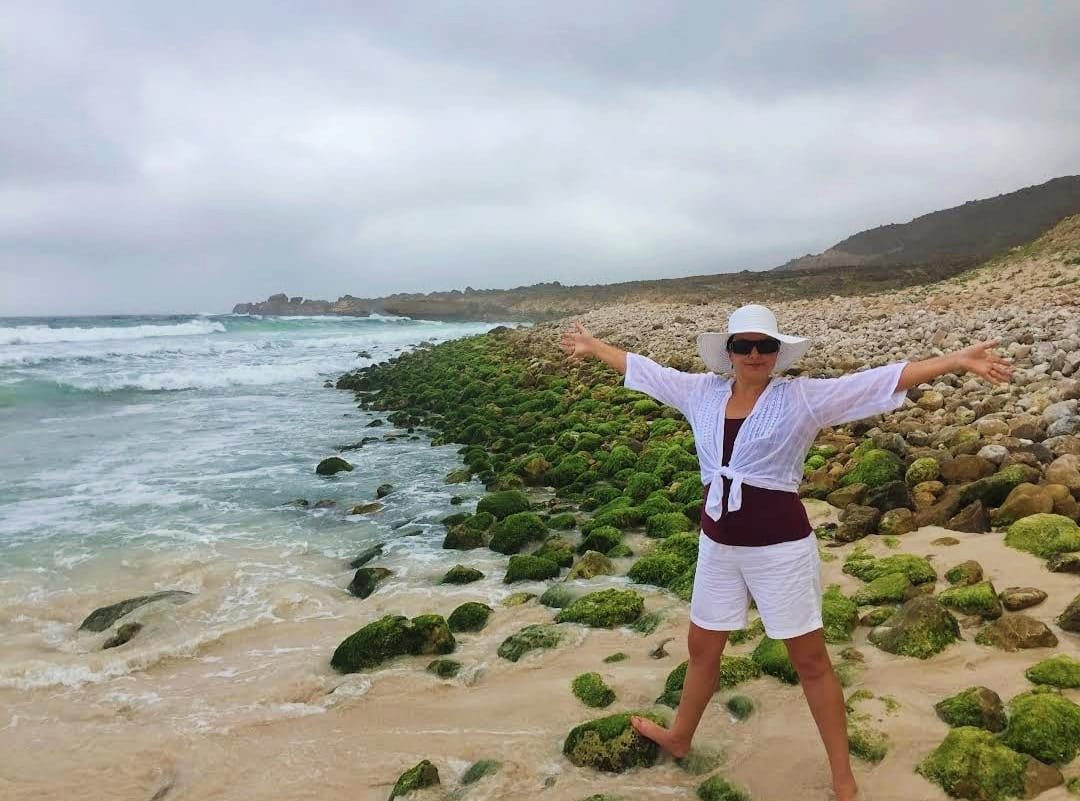
Haffa Beach is the stretch of Salalah’s eastern waterfront most closely associated with the extraordinary Salalah coconut grove. This famous palm plantation lines the Salalah seafront and is one of the most instantly recognizable and frequently photographed landscapes in Salalah tourism. The combination of tall coconut palms, white sand, and turquoise Indian Ocean water at Haffa creates a scene that appears genuinely tropical — more reminiscent of the Malabar Coast of India than the Arabian Peninsula — precisely because the Khareef monsoon moisture provides the conditions these tropical trees require. Haffa Beach sunset in Salalah is one of the most photographed scenes in Dhofar — the silhouettes of the coconut palms against the western sky and the calm evening Indian Ocean make it one of the finest sunset-viewing locations in southern Oman.
Coconut Beach
Coconut Beach — the beach section immediately adjacent to the most dense section of the Salalah coconut grove — is the most improbably tropical and most visually distinctive scene in all of Salalah, Oman. Walking among hundreds of tall coconut palms with the Indian Ocean visible through the trunks, the Dhofar Mountains rising behind and the scent of the monsoon in the air creates an atmosphere that is the absolute antithesis of every visual cliché of Arabia — no golden sand dunes, no camel silhouettes, no desert emptiness, but a genuinely tropical, genuinely lush, genuinely extraordinary landscape that exists in no other city in the Arab world. Coconut Beach, Salalah, Oman, Khareef: most atmospheric during the monsoon months when the humidity, mist, and deep green of the palms combine into a scene of extraordinary natural beauty.
Wadi Darbat
Wadi Darbat is the most iconic, most visited and most visually dramatic natural landscape in all of Salalah Oman — a wide, open mountain valley carved through the eastern Dhofar range where a permanent freshwater lake fills the valley floor, flamingos, herons and egrets nest in the reed beds and — during and after the Khareef season — the extraordinary Wadi Darbat waterfall cascades over a sheer limestone cliff in a display that is genuinely stunning : a full, powerful waterfall in Arabia, framed by deep green mountains and Khareef mist, surrounded by grazing camels on the valley floor. Wadi Darbat waterfall, Salalah, best month: August for peak Khareef flow. The lake, the birds, and the mountain scenery are available and extraordinary year-round — only the waterfall itself is seasonal.
Ayn Razat
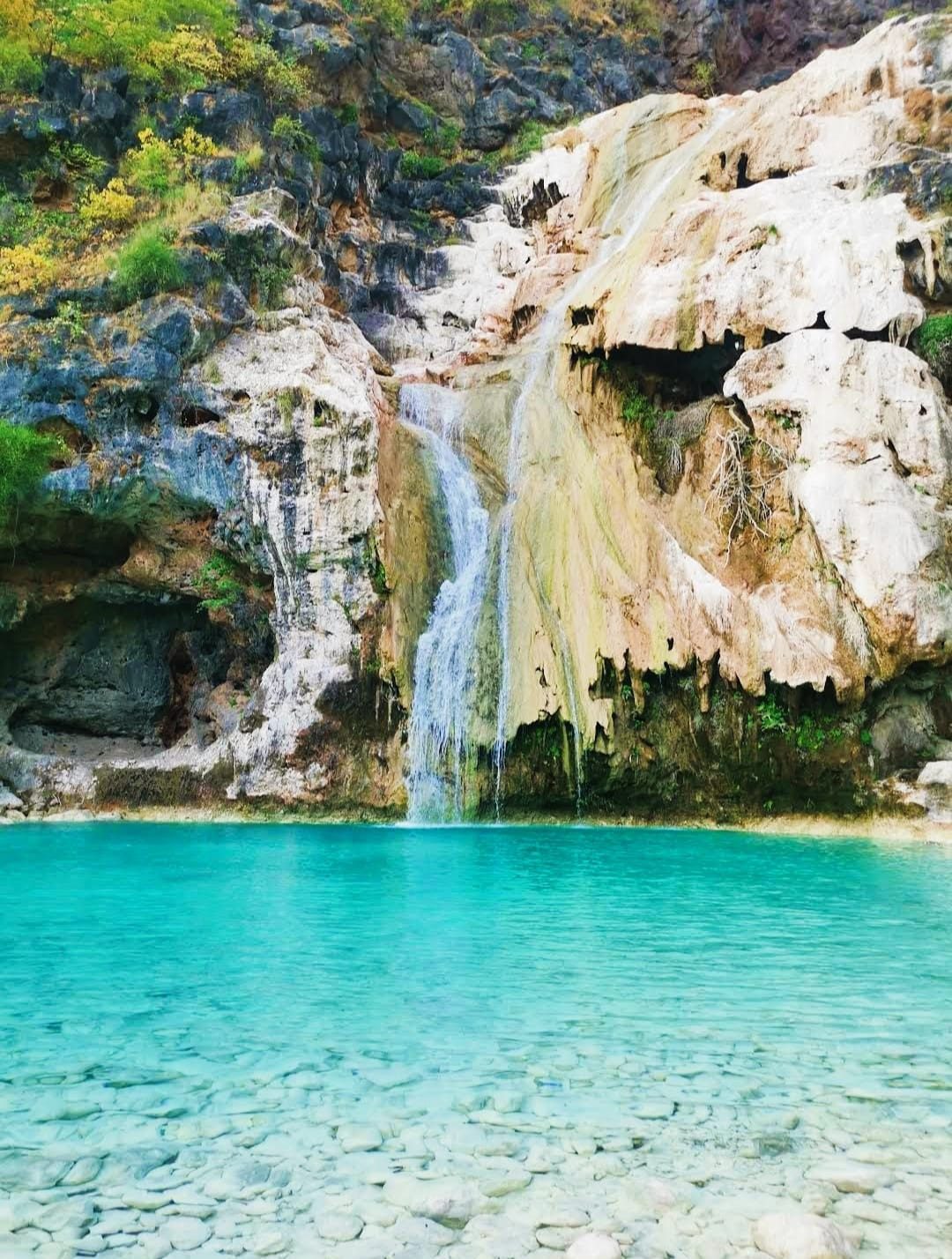
Ayn Razat is the most visited, most beautifully landscaped, and most popularly loved of all the Salalah Oman springs — a natural freshwater spring complex at the base of the eastern Dhofar Mountains developed into a beautifully maintained public garden where the spring water feeds pools, streams, and lush plantings that support peacocks, tropical songbirds, and an extraordinary microclimate of shade and cool air. Ayn Razat Salalah visiting tips: arrive early morning for the best birdwatching and the most photogenic mist-filtered light. Year-round beautiful — most extraordinary during the Khareef when the spring flows at its most generous and the surrounding mountains are deepest green.
Ayn Khor (Ayn Korr)
Ayn Khor — also written Ayn Korr — is one of the most naturally exuberant and most atmospherically tropical of the Salalah springs, situated in a lush valley east of the city where the spring water flows freely across rock shelves and into clear natural pools enclosed by wild fig trees, lotus water margins, and dense tropical vegetation. The sound of flowing water, the shade of the overhanging trees, and the extraordinary lushness of the surrounding greenery during the Khareef season create an atmosphere at Ayn Khor that is genuinely tropical — completely unlike anything available within reach of Dubai or Abu Dhabi. Ayn Khor Salalah morning photography: the mist-filtered morning light that filters through the tree canopy onto the water surface during peak Khareef conditions is one of the most extraordinarily beautiful natural-light experiences in the entire region.
Ayn Athum
Ayn Athum is one of the most beautiful and genuinely peaceful of the lesser-visited Salalah, Oman, springs — a quiet, shaded freshwater pool in the Dhofar Mountain foothills, surrounded by tall reeds, wild vegetation, and tropical trees that create a secluded oasis atmosphere far removed from the tourist crowds of Ayn Razat and Ayn Khor. For travelers specifically seeking Salalah, Oman, hidden gems and off-the-beaten-path experiences, Ayn Athum delivers a spring of genuine natural beauty in a setting of authentic Omani wilderness — and Suncity Tours includes it in extended Dhofar itineraries for guests who wish to discover the complete picture of the Salalah spring landscape.
Ayn Jarziz (Ayn Garziz)
Ayn Jarziz — also spelled Ayn Garziz — is a beautifully situated natural spring in the eastern Dhofar foothills, surrounded by dense tropical vegetation, including wild banana trees, lotus flowers, and ferns, that create a genuinely extraordinary landscape during the Khareef. The spring feeds a small but vivid stream that flows down through a landscape of remarkable natural color and sound — the rushing water, the bird calls, and the vibrant green of the monsoon-fed vegetation combining into an experience that is as far from the Gulf’s conventional landscape as it is possible to be while remaining within 200 kilometers of the UAE. Ayn Jarziz Salalah is best combined with Ayn Athum and Ayn Sahalnoot in an extended eastern Dhofar springs circuit.
Ayn Sahalnoot
Ayn Sahalnoot is one of the most culturally resonant and historically significant springs in Salalah, Oman — a natural spring that has sustained local communities, agricultural terraces, and traditional Omani pastoral life in the eastern Dhofar foothills for thousands of years. The spring’s historical and cultural context, combined with its natural beauty and the extraordinary seasonal transformation that the Khareef works upon its surrounding landscape, make it one of the most authentically Omani and most genuinely rewarding stops on any extended Salalah tour. Your Suncity Tours guide provides a full cultural and historical narration of Ayn Sahalnoot’s role in the traditional life of the Dhofar mountain communities.
Wadi Ayun
Wadi Ayun is a scenically spectacular wadi system east of Salalah city, where multiple spring channels converge in a landscape of extraordinary natural diversity — lotus-filled pools, lush valley floors, traditional stone terracing, and the constant sound of flowing fresh water. The wadi is celebrated for its bird diversity. It is one of the finest birdwatching sites in Salalah, Oman — the confluence of water, dense vegetation, and sheltered valley topography creates an ideal habitat for a remarkable range of species, including resident Arabian species and migratory visitors. During the Khareef, Wadi Ayun transforms into one of the most lush and vibrant natural landscapes in the Dhofar region.
Wadi Hinna
Wadi Hinna is a picturesque, frequently overlooked wadi valley that offers some of the most authentic and photographically rewarding Khareef landscapes in the Salalah region of Oman. The wadi’s pools, overhanging trees, traditional Omani stone terracing, and the genuinely rural atmosphere of living in a Dhofari farming community make it one of the most honest and most culturally meaningful stops on any extended Salalah tour. Wadi Hinna, Salalah, Oman, is at its best during the Khareef when the vegetation is most intensely green, and the water flow is at its most generous.
Wadi Al-Shiakh Waterfall
The Wadi Al-Shiakh waterfall is one of the most powerful and most visually dramatic seasonal waterfalls in the Salalah, Oman region. This cascade forms during and after peak Khareef rainfall and plunges over a limestone cliff into a natural pool of extraordinary beauty. Wadi Al-Shiakh waterfall, Salalah: most powerful in August and September when cumulative Khareef rainfall has been sufficient to create a full, sustained cascade. The experience of standing beneath a genuine, full-flow waterfall in Arabia — surrounded by green mountains and Khareef mist — is one of the most astonishing natural moments in Salalah tourism.
Jebel Samhan
Jebel Samhan is the highest mountain massif in the Salalah Oman region — rising to over 2,100 meters at the eastern end of the Dhofar range — and the location of the Jebel Samhan Nature Reserve, which protects the last confirmed population of the critically endangered Arabian leopard in Oman. The reserve also supports populations of Arabian gazelle, wolf, striped hyena, caracal, and Nubian ibex — making Jebel Samhan wildlife Salalah one of the most biologically significant and most extraordinary wildlife destinations in the entire Arabian Peninsula. The mountain road to the Jebel Samhan plateau provides panoramic views of the Gulf of Oman coast and the full eastern Dhofar landscape, and the transition in vegetation from coastal scrub to Khareef forest to high-altitude rocky heath is one of the most extraordinary ecological journeys available in Salalah, Oman.
Shaat Viewpoint
The Shaat Viewpoint is the most dramatic cliff-edge overlook in the entire Salalah Oman region — a sensational precipice on the eastern Dhofar escarpment where the plateau edge drops away hundreds of meters to the coastal plain below, delivering a panoramic vista that encompasses the traditional town of Mirbat, the Gulf of Oman coastline, the Indian Ocean horizon, and the full sweep of the eastern Dhofar lowlands. Shaat Viewpoint, Salalah, photography: the Khareef season makes this one of the most dramatic photography locations in Arabia — a cliff-edge swathed in mist, deep green mountains behind, the turquoise ocean visible below through breaks in the cloud.
Ittin Mountains, Plains & Ittin Viewpoint
The Ittin Mountains and Plains form the northern transitional landscape of the Dhofar region — the geological and ecological boundary zone between the monsoon-green Dhofar southern slopes and the arid Najd plateau that eventually grades into the Empty Quarter. The Ittin Viewpoint delivers one of the most geographically comprehensive vistas in Salalah, Oman — looking north over the golden Ittin plains toward the distant sand horizon of Arabia’s great desert. At the same time, behind the viewer, the green Khareef mountains rise in the most dramatic possible contrast. The Ittin Mountains Salalah drive is one of the most rewarding and most scenically diverse road journeys in the Dhofar region.
Anti-Gravity Hill Salalah
The Gravity Hill Salalah is one of the most talked-about, most visited, and most frequently photographed optical illusion sites in Oman — a specific section of mountain road in the Dhofar highlands where the topographical configuration of the surrounding terrain creates a powerful visual illusion in which a stationary vehicle placed in neutral appears to roll uphill against gravity. How does Gravity Hill Salalah work? The surrounding valley and mountain slopes create a false visual horizon, making a genuine downward gradient appear to rise, causing the visual cortex to misinterpret the direction of travel and producing the extraordinary sensation of rolling uphill. Every group that visits Gravity Hill Salalah spends several delighted, genuinely perplexed minutes testing and retesting the phenomenon — and it is consistently one of the most memorable and talked-about stops on any Salalah, Oman tour.
Salalah Viewpoint
The main Salalah Viewpoint on the Dhofar escarpment delivers the most comprehensive panoramic overview of Salalah city and its extraordinary setting available from any accessible land vantage point — the full sweep of the Salalah plain, the coastal coconut grove, the Indian Ocean horizon, and, in clear conditions, the outline of the distant sea on the horizon. The viewpoint is particularly extraordinary at sunrise during the Khareef season, when mist fills the valley below, while the mountain itself is clear and bathed in dawn light.
Al Baleed Archaeological Park & Site
The Al Baleed Archaeological Park and Site is the most historically significant and most extensively excavated archaeological complex in Salalah, Oman — the ruins of the ancient city of Zafar, one of the greatest commercial cities on the Indian Ocean Incense Road and a primary exporter of Dhofar frankincense to the ancient world. At its medieval peak in the 11th–14th centuries, Zafar was described in detail by Ibn Battuta in 1329 as a city of great wealth and abundant frankincense, and its ruins today — mosque foundations, warehouse walls, city gates, harbor structures — are beautifully presented with world-class interpretation. Al Baleed Archaeological Park, Salalah, Oman: entry fee and hours. Modest entry fee; open daily — morning visits recommended for best light. The site is part of the UNESCO World Heritage designation, “Land of Frankincense.”
Museum of the Land of Frankincense
The Museum of the Land of Frankincense — located within the Al Baleed complex — is the finest and most comprehensive cultural history museum in Salalah, Oman. The museum’s permanent collection traces the complete story of the Dhofar frankincense trade from its prehistoric origins to the present — covering the botanical science of the Boswellia sacra tree, traditional resin harvesting, the ancient trade routes that carried Dhofar resin to Egypt, Rome, and Greece, the maritime archaeology of the Incense Road, and the living cultural traditions of the modern Dhofar community. The Museum of the Land of Frankincense in Salalah is the single best indoor cultural experience in Salalah’s tourism — an essential visit for any traveler who wants to fully understand the city’s extraordinary historical significance.
Sumhuram / Khor Rori
Sumhuram — the ancient, fortified city on the Khor Rori lagoon east of Salalah — is the most ancient and most archaeologically extraordinary site in the Salalah Oman heritage landscape, predating Al Baleed by centuries and representing the earliest major phase of the Dhofar frankincense export economy. Dating back over 2,500 years, Sumhuram was the primary Incense Road loading port where ships from Mesopotamia, Egypt, India, and the Arabian Gulf came to load the precious Dhofar boswellia resin. The site sits on a natural bluff overlooking the Khor Rori creek — a tidal inlet that once served as a protected harbor — and is part of the UNESCO World Heritage Site designation for the Land of Frankincense. Sumhuram, Salalah, Oman, requires a morning of dedicated exploration to fully appreciate.
Taqah Castle
Taqah Castle is one of the best-preserved and most photogenic traditional Omani forts in the Salalah Oman region — a restored Dhofari defensive tower and fortified residence overlooking the fishing town of Taqah and the Indian Ocean coastline. The castle’s interior reveals the domestic and administrative life of traditional Dhofar society, and the view from the roof over the fishing harbor, the white-sand beach, and the Indian Ocean horizon is among the most beautiful coastal scenes in southern Oman. Taqah Castle, Salalah, Oman, visiting hours: open daily, modest entry fee — best combined with Sumhuram and Mirbat on an eastern Dhofar coast day.
Mirbat
Mirbat is one of the most historically evocative traditional coastal towns in the Salalah, Oman region — a fishing and trading settlement with deep roots in the medieval frankincense trade, a beautifully preserved old town, a historic fort, and a dramatic setting at the foot of the Shaat escarpment above the Indian Ocean. Mirbat is internationally known as the site of the legendary Battle of Mirbat (1972) — the celebrated British SAS engagement that is one of the most admired special forces actions in military history. The Mirbat Salalah day trip combines the fort, old town, fish market, and the dramatic coastal and mountain scenery in one of the most rewarding half-day excursions from Salalah city.
Old Haffa Souq
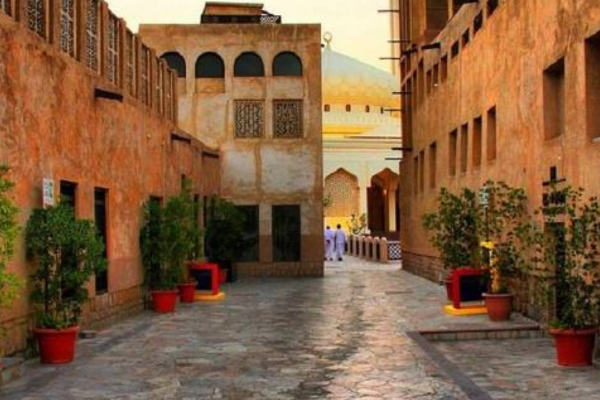
The Old Haffa Souq is the most authentic and most culturally genuine traditional market in Salalah city — a covered souk of narrow lanes and small family-run shops where Dhofari frankincense in every grade, traditional silver jewelry, Omani honey, dried limes, Dhofari textiles, and local craft items are sold in a setting of genuine, unmodernized Arabian market culture. The Old Haffa Souq, Salalah, Oman, is the most important and most authentic place in the entire Dhofar region to purchase genuine Hojari frankincense — the finest and most highly prized grade of Omani boswellia sacra — directly from local producers and traditional traders.
Sultan Qaboos Mosque — Salalah
The Sultan Qaboos Mosque in Salalah is the most impressive and most architecturally significant mosque in the Dhofar region — a large, beautifully designed Islamic place of worship honoring the legacy of Oman’s beloved Sultan Qaboos bin Said Al Said, who was born in Salalah in 1940 and maintained a profound personal connection to his home city throughout his extraordinary reign. The mosque’s traditional Omani Islamic architecture — white-washed arches, graceful minarets, manicured grounds — reflects the austere dignity of Dhofari religious heritage. Sultan Qaboos Mosque, Salalah: non-Muslim visitors welcome at non-prayer times — modest dress and abaya (provided) required.
Teeq Cave (Taiq Cave)
Teeq Cave — also known as Taiq Cave — is one of the most extraordinary geological features in the Arabian Peninsula and one of the largest collapsed limestone cave chambers in the world by volume. The cave is a massive doline — a collapsed karst sinkhole approximately 150 meters wide and up to 200 meters deep — that opens without warning in the flat Dhofar limestone plateau, its sheer vertical walls plunging to a permanently shaded vegetation floor where unique microclimatic plants and animals survive far below the plateau surface. Teeq Cave, Salalah: guided tour essential — the rim offers extraordinary views, but the descent is restricted. The moment of arrival at the Teeq Cave rim — when the vast void suddenly opens in an otherwise featureless plateau — is one of the most genuinely shocking and most dramatically powerful natural experiences in all of Salalah Oman.
Tawi Ateer Sinkhole — The Bird Well
The Tawi Ateer Sinkhole — known in Arabic and internationally as the Bird Well of Salalah Oman — is a narrow, deep limestone shaft approximately 211 meters deep and 150 meters across, whose extraordinary name derives from the thousands of birds — swifts, swallows, falcons, pigeons, and migratory species — that nest in its vertical walls and spiral perpetually on the thermals rising from the shaft’s interior. The aerial display above Tawi Ateer is genuinely extraordinary — hundreds of birds in constant circling motion, their calls echoing up from the depths — and the geological drama of the vertical shaft, the depth, and the vegetation visible far below creates a viewing experience of remarkable natural wonder. Tawi Ateer sinkhole, Salalah, best time to visit: early morning when bird activity is most intense, and the shaft lighting is most dramatic.
Ittin Cave
Ittin Cave is a natural limestone cave system in the Ittin Mountain area of the Dhofar plateau — one of several underground features that make the Salalah, Oman, karst landscape one of the most geologically fascinating in the Arab world. The cave adds a third underground dimension to the extraordinary Dhofar geological heritage, complementing the vast void of Teeq Cave and the deep shaft of Tawi Ateer with a more horizontally accessible cave passage. Ittin Cave, Salalah, Oman, tour: best visited as part of an extended Dhofar plateau day that also covers the Ittin Viewpoint, the Gravity Hill, and the Empty Quarter edge.
Empty Quarter (Rub Al Khali)
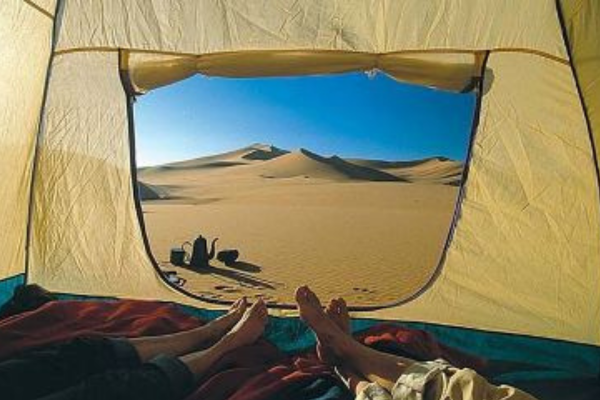
The northern fringe of the Dhofar region adjoins the southern edge of the Rub Al Khali — the Empty Quarter — the largest continuous sand desert on Earth, covering approximately 650,000 square kilometers of the Arabian Peninsula. From Salalah, the northern Dhofar plateau provides access to the first dunes of the Empty Quarter. At this extraordinarily natural boundary, the Dhofar limestone plateau ends and the great sea of red dunes begins. Empty Quarter desert trip from Salalah Oman: a full-day Suncity Tours expedition north through the Dhofar Najd plains to the dune frontier of the Rub Al Khali, approaching the world’s greatest sand desert from its least-visited and most dramatically contrasted southern edge — where you have just driven from the lushest, greenest, most monsoon-drenched landscape in Arabia into the most arid, most silent and most immense desert landscape on the planet in a single day’s journey.
Dhofar Desert Safari
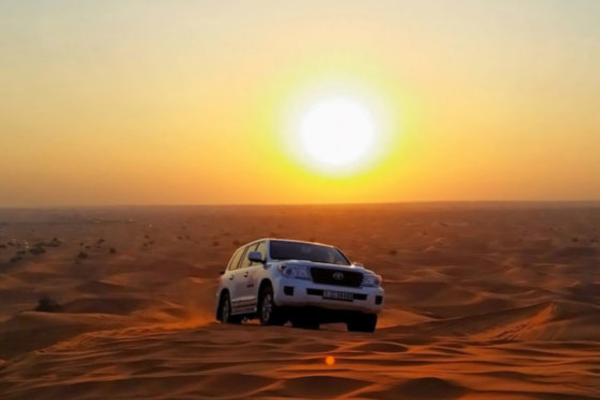
The Dhofar Desert Safari is one of the most distinctive and most atmospherically authentic desert experiences available in the Arabian Peninsula — a 4×4 exploration of the Dhofar Najd plateau that delivers a completely different desert experience from the dune bashing of Dubai or Abu Dhabi. The Dhofar desert is a landscape of dramatic limestone-gravel plains, ancient, dried wadi floors, traditional Dhofari Bedouin settlements of the Mahri and Dhofari peoples, and camel herding landscapes that have remained essentially unchanged for centuries. Dhofar desert safari, Salalah, Oman: includes 4×4 plateau exploration, visits to traditional Bedouin communities, camel encounters, and the most extraordinary desert-to-monsoon-mountain transition views available anywhere in Arabia.
Salalah Public Park
Salalah Public Park is the main urban green space in Salalah city and the social heart of Salalah, Oman, during the Khareef season — a beautifully maintained park where the lawns and gardens are at their most lush during the monsoon months, and the cool, misty mountain air makes outdoor leisure genuinely comfortable. Visiting the park during Khareef provides one of the most authentic and most genuinely moving insights into how deeply the monsoon season is loved and celebrated by the people of the Arabian Peninsula — families from across the Gulf sitting on green grass, children playing in the cool air, the scent of rain and the sound of distant waterfalls creating a communal joy that is unique to Salalah and to nowhere else in Arabia.
Dhofar Museum
The Dhofar Museum in Salalah city is the primary civic museum of the Dhofar governorate — housing collections of archaeological artifacts, traditional Dhofari crafts, natural history specimens, ethnographic displays, and historical photographs that together provide the most comprehensive overview of the complete history and culture of the Salalah Oman region in a single institution. The collections span the prehistoric, Bronze Age, Iron Age, ancient Arabian, Islamic, and modern periods of Dhofar history. The frankincense trade objects, the Incense Road artifacts, and the early Islamic inscriptions from the Dhofar interior are particularly extraordinary. Dhofar Museum, Salalah: the ideal starting point for any serious cultural tour of the region — providing the historical framework that makes every subsequent site visit more profoundly meaningful.
Experiencing the complete breadth and depth of Salalah, Oman’s extraordinary attractions — across five completely distinct natural and cultural zones — demands expert local guidance, seasonal knowledge, and meticulous itinerary planning. Suncity Tours is the most trusted and most experienced Salalah, Oman, tour operator from the UAE — with dedicated specialist guides who know every spring, every cave rim, every archaeological excavation, every seasonal viewpoint, and every hidden access track in the Dhofar region. Our Salalah Oman 5-day explorer packages cover the complete range of all attractions across five days; our Salalah Oman 3-day packages from Dubai, Abu Dhabi, Sharjah, Ras Al Khaimah, Doha, Qatar, Jeddah, Riyadh, including flights, hotel, traditional meals, and a guide) cover the essential highlights, including Mughsail, Fazayah, Wadi Darbat, the springs, the archaeological sites, and the Old Haffa Souq. Every package includes return flights from Dubai or Abu Dhabi, 4-star or 5-star hotel accommodation, daily breakfast, lunch, and dinner, Oman visa management for eligible nationalities, premium AC vehicles, and expert English-speaking guide narration at every site. Book your Salalah Oman tour with Suncity Tours today — and discover the most extraordinary, most diverse, and most genuinely surprising destination in all of Arabia, in the most complete and most expertly guided way available anywhere in the GCC Market.
Best time to visit Salalah Oman — seasonal guide: Khareef (June–September) — green mountains, cascading waterfalls, 22–27°C, most extraordinary Arabian seasonal experience. October–May — pristine beaches, calm Indian Ocean, clear blue skies, uncrowded sites, lower prices. July–August — peak Khareef, Wadi Darbat waterfall at full flow, maximum green intensity. Every single one of the attractions in this guide is accessible year-round — each extraordinary in every season.